
Anonymous Crypto Betting Sites That Don’t Require ID/SSN
Some betting platforms that emphasize cryptocurrency payments are often perceived as offering an additional layer of transactional privacy, especially compared to traditional card-based sportsbooks.
The platforms discussed below are known for initially lower verification thresholds, particularly for small-to-moderate activity levels, but they may still require documentation if users trigger compliance checks.

1. BetOnline
PROS
✓ Bonus: up to $1000
✓ Countries: US, CA, GR, NL, IN, ES, DE, BR;
✓ Has an excellent reputation;
✓ Great odds;
✓ 18+ / T&Cs apply;
CONS
X Gray-zone in some regions;

2. SportsBetting
PROS
✓ Bonus: up to $1000;
✓ Countries: US, CA, GR, NL, IN, ES, DE, BR;
✓ +10% BTC / deposit;
✓ Trustworthy operator;
✓ 18+ / T&Cs apply;
CONS
X Offshore status;

3. WildCasino
PROS
✓ Bonus: up to $5000
✓ Countries: US, CA, UK, IN, EU;
✓ Many types of casino bonuses;
✓ Has a great reputation;
✓ 18+ / T&Cs apply;
CONS
X No Tier-1 license;
X No sports betting, only poker and casino games

4. Super Slots
PROS
✓ Bonus: up to $6000
✓ Countries: US, CA, UK + EU;
✓ Casino tournaments;
✓ Great for poker and blackjack;
✓ 18+ / T&Cs apply;
CONS
X Offshore;
X Casino-only;

5. BC.GAME
PROS
✓ Bonus: 120% up to $500 + 5 Free bets;
✓ Countries: US players not accepted;
✓ 18+ / T&Cs apply;
CONS
X Complex bonus rules;
X Only financial anonymity (due to crypto payments)

6. MyStake
PROS
✓ Bonus: 600€ /£ /$
✓ Great odds and market coverage;
✓ Allows crypto as payment;
✓ 18+ / T&Cs apply;
CONS
X Some regions restricted;
X US & UK not accepted;

7. CloudBet
PROS
✓ 100% crypto payments;
✓ Many bonus offers;
✓ 5 BTC worth of bonus;
✓ 18+ / T&Cs apply;
CONS
X Crypto-only;
X Only for transaction anonymity (from banks)
X US & UK NOT accepted;

8. GoldenBet
PROS
✓ Bonus: up to 500€ /£ /$;
✓ US & Europe accepted;
✓ Crypto: available;
✓ Many sports markets & events covered;
✓ 18+ / T&Cs apply;
CONS
X KYC possible at withdrawal, best for financial anonymity
What Does “No ID” Mean in Sports Betting?
“No ID” sports betting refers to online sportsbooks that allow users to register, deposit, and place bets without immediate identity verification, but not without verification entirely. In operational terms, “no ID” platforms are delayed or conditional KYC systems, where identity checks are deferred until specific risk thresholds are triggered.
These platforms typically require only minimal input at account creation—most commonly an email address and a payment method—while shifting verification to later stages such as withdrawals, unusual betting patterns, or compliance triggers.
The importance of this model lies in its attempt to resolve a structural friction in online gambling: balancing user accessibility, transaction speed, and privacy against regulatory compliance and fraud prevention.
At a system level, “no ID” betting works through three core mechanisms:
- Reduced upfront verification (access layer)
- Cryptocurrency-based transaction infrastructure (payment layer)
- Behavioral risk monitoring (compliance layer)
This sequence defines how the entire ecosystem operates, and it will guide the structure of the components that follow.
Why “No ID” Betting Exists
“No ID” betting platforms exist as a response to inefficiencies and constraints within traditional online gambling systems.
Conventional sportsbooks operate under strict regulatory frameworks requiring identity verification to comply with anti-money laundering (AML) laws, prevent fraud, and enforce responsible gambling. While effective for compliance, this system introduces delays, privacy risks, and geographic restrictions.
Three primary forces explain the emergence of no-verification models:
- Regulatory friction: Identity checks delay withdrawals and increase operational overhead.
- Privacy concerns: Centralized storage of personal documents increases exposure to data breaches and identity theft.
- Technological innovation: Blockchain networks enable transaction verification without requiring personal identity.
As a result, no ID sportsbooks represent an alternative operational model where trust is established through technology and behavior analysis rather than personal documentation.
Reduced Upfront Verification (Access Layer)
Reduced upfront verification refers to the ability to create and use a betting account without submitting identity documents during registration.
This component is foundational because it defines the primary value proposition of no ID betting: immediate access.
Its relationship to the main system is structural—it acts as the entry point that removes initial friction and enables user onboarding.
Evidence across offshore sportsbooks shows that many platforms allow account creation with only an email and password, with no document upload required at signup.
The mechanism is simple: instead of verifying identity immediately, platforms assign accounts a risk profile based on activity. Verification is deferred until predefined thresholds are reached.
If this component is missing, the system collapses into a traditional KYC model, eliminating the speed and accessibility advantage.
Optimization involves:
- Using crypto-compatible platforms to avoid bank-linked identity checks
- Avoiding behaviors that trigger verification thresholds early
A common misconception is that “no ID” means permanent anonymity. In reality, it means conditional verification timing, not absence of verification.
Example: A user deposits crypto, places moderate bets, and withdraws small amounts without ever being asked for documents—because their behavior remains within normal risk parameters.
Cryptocurrency Payment Infrastructure (Payment Layer)
Cryptocurrency infrastructure refers to the use of blockchain-based payment systems to process deposits and withdrawals without relying on traditional banking intermediaries.
This component amplifies the system by enabling privacy, speed, and global accessibility.
Its role is enabling: without crypto, most no ID models cannot function, as banks and card processors require identity verification.
Data from digital finance research shows that cryptocurrency transactions can settle within minutes, compared to multi-day processing times in traditional systems.
The mechanism operates through decentralized networks:
- Transactions are validated via cryptographic consensus
- No central authority requires identity confirmation
- Users control funds through private wallets
If this component is removed, the system reverts to bank-dependent processes, reintroducing identity checks and delays.
Optimization strategies include:
- Using low-fee, fast-confirmation networks
- Avoiding congested blockchain periods
- Managing funds in private wallets rather than platform balances
A frequent question is whether crypto guarantees anonymity. The answer is no—transactions are pseudonymous, not invisible. Blockchain records remain publicly traceable.
Example: A bettor deposits Bitcoin, places wagers, and withdraws funds within minutes, bypassing bank approvals entirely.
Behavioral Risk Monitoring (Compliance Layer)
Behavioral risk monitoring refers to algorithmic systems that analyze user activity to detect fraud, abuse, or regulatory violations.
This component acts as a corrective mechanism within the system, replacing traditional identity verification with data-driven oversight.
Its relationship to the main topic is stabilizing—it ensures that reduced verification does not lead to uncontrolled abuse.
Industry practices show that sportsbooks monitor:
- Betting patterns
- Bonus usage behavior
- Withdrawal frequency and size
- Geographic inconsistencies
The mechanism involves pattern recognition models that flag accounts when activity deviates from expected norms. Once flagged, the platform may request identity verification.
If this component is absent, the system becomes vulnerable to:
- Multi-accounting
- Bonus abuse
- Fraudulent withdrawals
Optimization involves:
- Maintaining consistent betting behavior
- Avoiding exploitative strategies (e.g., obvious arbitrage or errors)
- Following platform terms strictly
A key misunderstanding is that verification is random. In reality, it is trigger-based and probabilistic.
Example: A user who suddenly attempts a large withdrawal after aggressive bonus exploitation is highly likely to be flagged and asked for ID.
Types of “No ID” Sportsbooks
“No ID” sportsbooks can be divided into two structural categories based on how verification is implemented.
1. Conditional KYC Platforms
These platforms delay verification but enforce it when risk thresholds are exceeded. They tend to offer better odds, higher liquidity, and stronger reputations.
2. Minimal or No Verification Platforms
These platforms allow near-anonymous access, sometimes even auto-generated accounts. However, they often provide weaker consumer protection and higher operational risk.
The trade-off between these types reflects a balance between privacy and reliability.
Benefits of No ID Betting Systems
The benefits of no verification betting emerge directly from the system structure.
Privacy is the primary benefit because users do not need to submit personal documents, reducing exposure to identity theft risks.
Speed is another critical advantage. Cryptocurrency transactions eliminate banking delays, enabling faster deposits and withdrawals.
Accessibility expands because users in restricted jurisdictions can participate without geographic or financial barriers.
If these benefits are absent, the system loses its competitive advantage over traditional sportsbooks.
Risks and System Limitations
The absence of strict verification introduces systemic risks that must be understood as part of the model.
Legal uncertainty arises because many platforms operate in offshore jurisdictions with limited regulatory oversight. This reduces user protection in disputes.
Fraud risk increases because anonymity can be exploited by dishonest operators or users.
Cryptocurrency volatility introduces financial instability unrelated to betting performance.
If these risks are ignored, users may experience fund loss, limited recourse, or unexpected verification barriers.
Can You Avoid Verification Completely?
It is not possible to guarantee permanent avoidance of identity verification on any legitimate sportsbook.
All functional systems include a compliance layer that activates under certain conditions. The difference lies in when and why verification occurs, not whether it exists.
Users who remain within normal behavioral thresholds may never encounter verification requests. However, large withdrawals, irregular activity, or rule violations significantly increase the probability.
How to Evaluate a “No ID” Sportsbook
A reliable no verification sportsbook can be identified through a combination of system-level indicators.
Operational transparency, such as clear terms and licensing information, indicates legitimacy.
Payment reliability, especially consistent withdrawal processing, reflects financial integrity.
Security infrastructure, including encryption and fraud detection, replaces identity-based trust mechanisms.
Platforms that combine these elements demonstrate a stable system despite reduced verification requirements.
Financial Anonymity in Sports Betting When Betting With Crypto Only
What Financial Anonymity Means in Crypto Betting
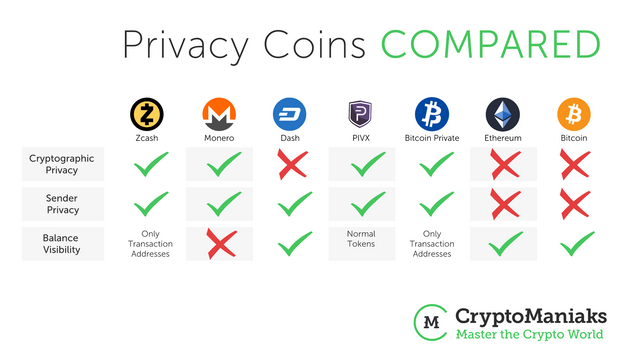
Financial anonymity in sports betting refers to minimizing the amount of personal and financial identity data exposed when placing bets by using cryptocurrency as the only payment method.
It is important to be precise: crypto betting does not provide full anonymity, but rather pseudonymity.
- Your activity is tied to a wallet address, not directly to your real name
- Transactions are publicly recorded on a blockchain
- Identity checks can still occur under certain conditions
A more accurate definition is:
- Financial anonymity in crypto betting is a reduced disclosure model, where:
- Traditional banking identity is removed
- Transaction data remains visible
- Verification is conditional, not eliminated
Why This Matters
This model exists because traditional sportsbooks introduce friction:
- Identity verification delays withdrawals
- Users must share sensitive documents
- Payment systems are tied to banks and jurisdictions
Crypto betting reduces these frictions by shifting how trust is established.
Why Crypto-Only Betting Creates Financial Privacy
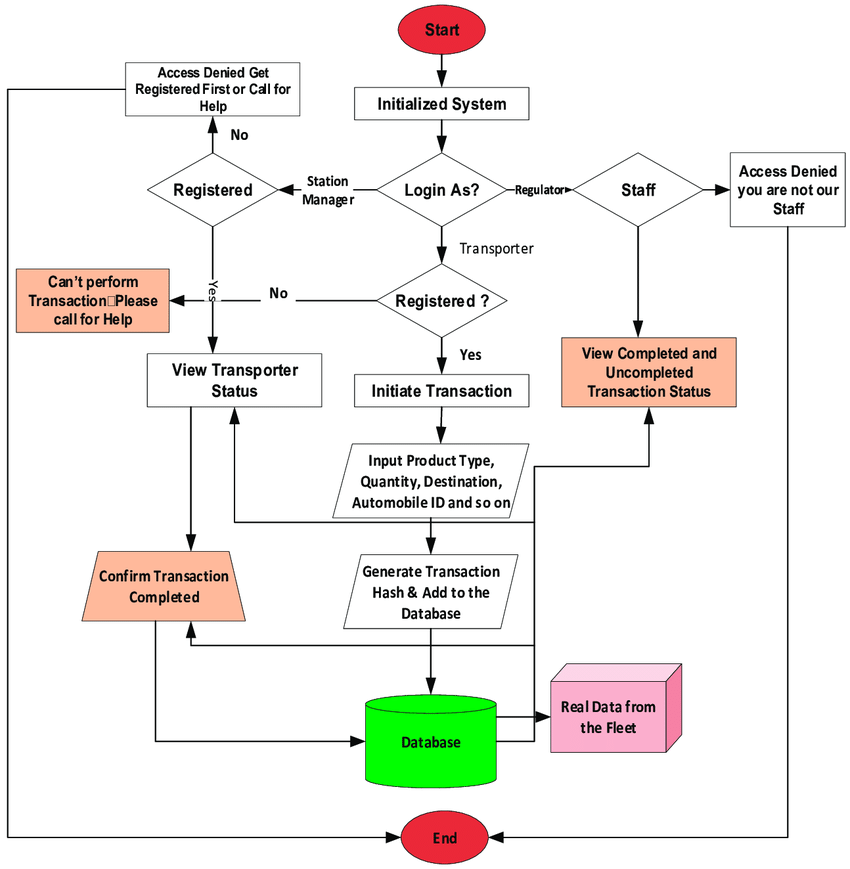
Crypto-only sportsbooks exist as a response to limitations in traditional betting systems.
Key forces driving this model:
- Regulatory friction
Traditional platforms must comply with strict identity verification rules - Privacy concerns
Storing personal documents increases exposure to data breaches - Technological capability
Blockchain allows value transfer without identity-based validation
As a result, crypto sportsbooks rely less on who you are and more on how you behave.
How Wallet-Based Payments Reduce Identity Exposure
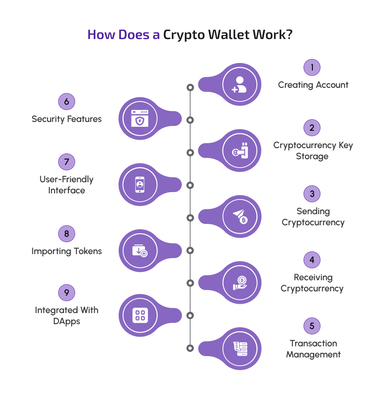
What This Component Does
A crypto wallet replaces traditional payment methods such as:
- Bank transfers
- Credit/debit cards
- E-wallets tied to identity
Instead, transactions are made directly from a wallet address.
How It Works
- You send funds from your wallet to the sportsbook
- The platform receives crypto without bank-linked identity data
- No card issuer or bank attaches personal details
Why It Matters
This is the primary source of financial privacy in crypto betting because:
- No banking data is shared
- No financial institution is involved
- Registration can be faster and simpler
What Happens Without It
If crypto is not used:
- Payments require identity-linked systems
- Verification becomes unavoidable
- Privacy advantage disappears
Practical Optimization
- Use a dedicated wallet for betting activity
- Avoid mixing gambling funds with personal holdings
- Understand transaction fees and confirmation times
Common Question
Does using a wallet make you anonymous?
No. It removes direct identity exposure but does not eliminate traceability.
Example
A bettor deposits Bitcoin from a private wallet and places bets without ever submitting banking details. The sportsbook sees only the wallet address, not the user’s financial identity.
Why Blockchain Transparency Limits True Anonymity
What This Means
Blockchain traceability refers to the fact that all transactions are:
- Publicly recorded
- Time-stamped
- Linked through wallet activity
Role in the System
This component limits anonymity while still allowing privacy from banks.
How It Works
- Every transaction is stored on a public ledger
- Wallet histories can be analyzed
- Patterns can be linked across transactions
Evidence-Based Reality
- Crypto is widely classified as pseudonymous, not anonymous
- Transactions can be tracked through blockchain analysis
What Happens If This Is Ignored
Users may wrongly assume:
- Their activity cannot be traced
- Their identity cannot be inferred
This leads to poor risk awareness.
Optimization
- Understand that transparency is built into the system
- Avoid assuming invisibility
- Treat crypto as private from banks, not invisible globally
Common Question
Does blockchain tracking eliminate privacy?
No. It reduces anonymity but still avoids direct financial identity exposure.
Example
A user places bets using crypto. While no bank data is shared, their entire transaction history remains visible on the blockchain.
How Sportsbooks Monitor Behavior Instead of Identity
What This Component Does
Instead of verifying identity upfront, crypto sportsbooks use:
- Behavioral monitoring systems
- Risk-based algorithms
- Transaction pattern analysis
Role in the System
This acts as a control mechanism to prevent abuse.
How It Works
Platforms monitor:
- Betting patterns
- Withdrawal sizes
- Bonus usage
- Wallet activity
When activity looks unusual, verification may be triggered.
Evidence
- Risk-based monitoring is standard in financial and crypto systems
- Verification is typically triggered by thresholds, not randomly
What Happens If This Component Is Missing
Without monitoring:
- Fraud increases
- Multi-accounting becomes easy
- Platforms become unstable
Optimization
- Maintain consistent betting behavior
- Avoid exploitative strategies
- Follow platform rules
Common Question
Is verification random?
No. It is triggered by risk signals and behavior patterns.
Example
A bettor withdraws small amounts regularly without issues. Later, after a large withdrawal request, the platform requests identity verification.
Key Benefits of Financial Anonymity in Crypto Betting
1. Reduced Financial Data Exposure
- No bank or card information required
- Less personal data stored by platforms
2. Faster Transactions
- Crypto payments avoid banking delays
- Withdrawals can be significantly quicker
3. Global Accessibility
- Users can bet without relying on local banking systems
- Fewer geographic payment restrictions
If These Benefits Are Missing
The system becomes similar to traditional sportsbooks:
- Slower payments
- More identity checks
- Reduced accessibility
Risks and Limitations You Must know about anonymous betting
1. Legal and Regulatory Uncertainty
- Many platforms operate offshore
- Consumer protection may be limited
2. Increased Fraud Risk
- Less regulation can attract unreliable operators
- Dispute resolution may be weak
3. Cryptocurrency Volatility
- Asset value can fluctuate rapidly
- Bankroll value may change independently of betting
4. Conditional Verification
- Large or unusual activity can still trigger KYC
- “No ID” does not mean “no verification ever”
Can You Stay Fully Anonymous while betting?
No. Full anonymity is not realistic in functioning betting systems.
What you can achieve:
- Reduced identity exposure
- Less reliance on banking systems
- Faster and more private transactions
What you cannot guarantee:
- Permanent anonymity
- Immunity from verification
- Complete invisibility
How to Maximize Privacy While betting?
To improve financial privacy in crypto betting:
- Use separate wallets for betting
- Choose platforms with clear policies and payout history
- Avoid behaviors that trigger risk systems
- Understand blockchain transparency
Avoid unrealistic assumptions:
- Crypto does not make you invisible
- Privacy depends on behavior, not just tools
Financial anonymity in crypto sports betting is not about disappearing. It is about changing the way identity is handled.
- Traditional betting → identity first, transactions second
- Crypto betting → transactions first, identity conditional
The result is a system where:
- Privacy is increased but not absolute
- Verification is delayed but not removed
- Trust is based on technology and behavior, not just identity
Understanding this distinction is essential. Without it, the concept of “anonymous betting” becomes misleading rather than useful.
Final System Insight about anonymity in sports betting
“No ID” betting is not the removal of identity verification—it is the restructuring of trust.
Traditional sportsbooks rely on identity.
No ID sportsbooks rely on technology, transaction systems, and behavioral analysis.
Understanding this shift is essential. Once viewed as a system rather than a label, the apparent contradiction disappears:
these platforms are not anonymous—they are conditionally verified ecosystems optimized for speed, privacy, and access.
FAQ
What are no verification betting sites?
No verification betting sites are sportsbooks that allow users to register and bet without submitting identity documents upfront. Verification is typically delayed and may only be required when certain risk thresholds are triggered.
Can you do sports betting without SSN?
Yes, some offshore and crypto-based sportsbooks allow sports betting without providing an SSN at signup. However, identity verification may still be required later for withdrawals or suspicious activity.
Are there betting apps without SSN?
Yes, certain betting apps, especially crypto-based or offshore, do not require an SSN during signup. Still, SSN or identity verification can be requested depending on account activity.
Which betting apps don’t require SSN?
Apps that operate outside strict regulatory frameworks or support cryptocurrency payments often do not require SSN initially. Their verification processes are typically triggered by withdrawals or compliance checks.
Can you use sports betting apps without SSN?
Yes, you can use certain crypto or offshore apps without providing an SSN at first. Continued use without verification depends on maintaining normal account activity.
Are there betting sites with no ID verification in the UK?
In the UK, licensed sportsbooks are required to verify identity, so true no-ID platforms are not legally available. Users seeking such features typically use offshore or crypto-based sites, which carry additional risk.
What are anonymous betting sites?
Anonymous betting sites are platforms that aim to reduce identity exposure, often using cryptocurrency. In reality, they provide pseudonymity rather than full anonymity.